A good landscape designer turns a vague idea (“I want my backyard to look better”) into a buildable plan with specific materials, plants, grading, and drainage. A bad one hands you a pretty sketch that falls apart the first time a hardscaping contractor tries to build from it. This guide explains what the design process should look like from start to finish, what a set of plans should include, how much designers charge in the Twin Cities, and the red flags that tell you to keep looking.
What a Landscape Designer Actually Does
Landscape designers — sometimes called yard designers or outdoor living designers — assess your entire property and create a custom plan that addresses how you want to use the space, what will grow in your soil and sun conditions, how water moves across the site, and what materials will hold up in Minnesota’s demanding four-season climate.
A designer is not the same as a lawn care provider. Lawn care handles mowing, fertilization, and weed control. Seasonal cleanups handle debris removal and bed prep. A designer works upstream of both: they decide where the patio goes, which plants flank the walkway, whether you need a retaining wall to manage a slope, and how irrigation zones should be laid out to keep everything alive.
The Design Process: What to Expect at Each Stage
Stage 1: On-Site Consultation
The designer visits your property, walks the site with you, and asks questions: How do you use the yard today? What do you wish you could do? Do you entertain? Do your kids play outside? Do you want a fire pit, a water feature, a vegetable garden, a play area, or all of the above?
During the walk, the designer notes existing conditions — soil type (clay is common across Bloomington, Burnsville, and most of Dakota County), drainage patterns, sun exposure, mature trees to work around, and sight lines from inside the house. At Triple Landscaping, this first visit is free and takes 45–60 minutes.
Stage 2: Concept Design
The designer produces one or two concept layouts showing proposed zones: dining area here, fire pit there, planting beds along the fence, a stone walkway connecting the deck to the garage. At this stage, materials are suggested but not locked in. The goal is to get the spatial relationships right before specifying exact pavers or plant species.
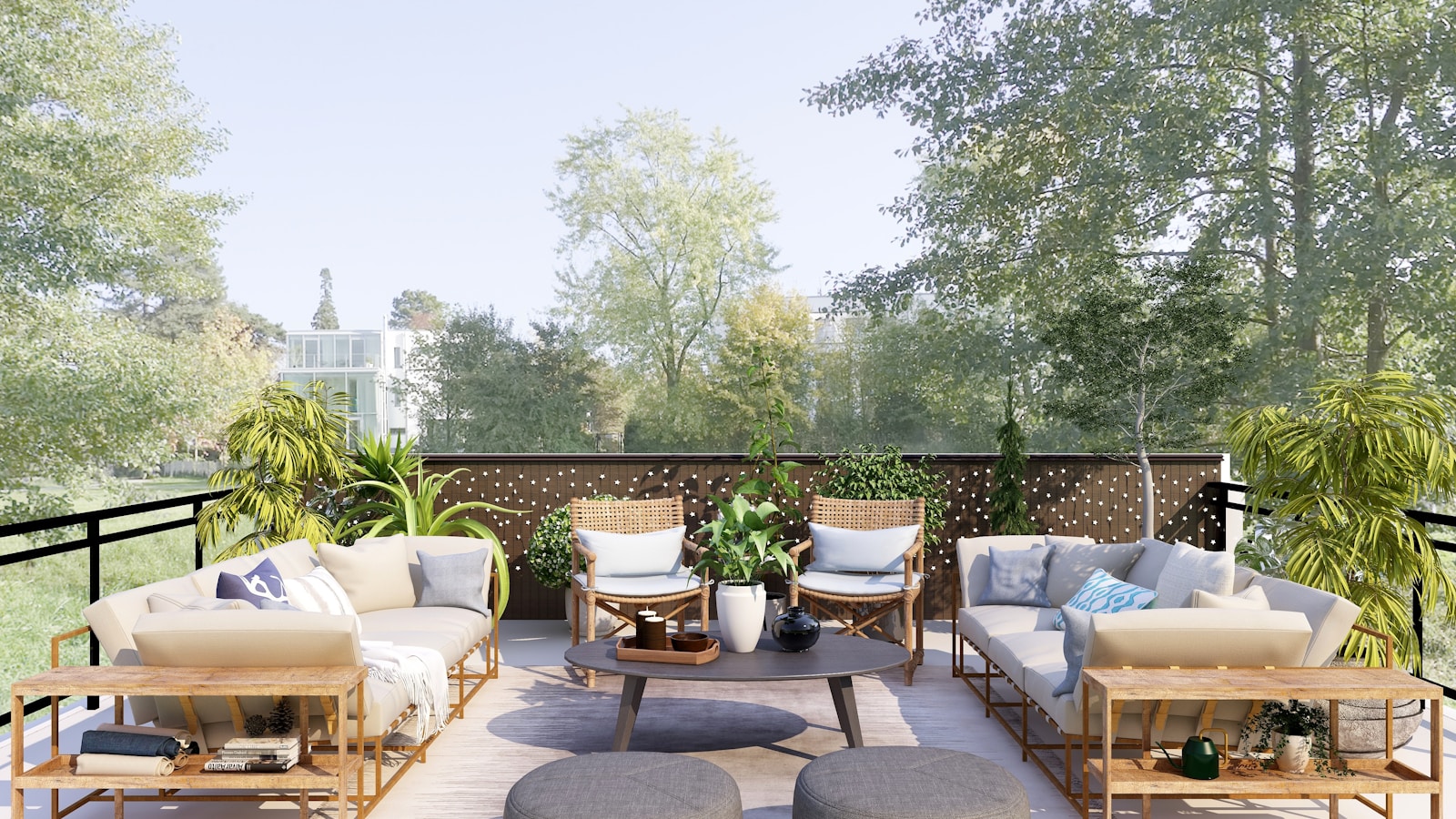
Most Twin Cities design firms now include 3D renderings at this stage so you can see a realistic preview of the finished project from multiple angles. This is much more useful than a flat overhead plan because it shows scale, sightlines, and how the space will feel when you are standing in it.
Stage 3: Design Refinement
You review the concept, give feedback, and the designer adjusts. Maybe the patio needs to be wider for your table, or you want the pergola shifted to catch afternoon shade. A good designer expects 1–2 rounds of revision — that is normal and already built into the fee.
Stage 4: Final Construction Documents
The completed plan package should include:
- Site plan — overhead view with exact dimensions, setbacks, and property lines.
- Grading and drainage plan — shows finished grades, swale locations, and where water exits the site. This prevents puddles on your new patio and keeps water away from your foundation.
- Planting plan — lists every plant by botanical name, common name, size at planting, and quantity. A Minnesota-specific plan specifies Zone 4b-hardy species only.
- Hardscape details — cross-section drawings showing base preparation, edge restraint, and material specifications for patios, walkways, and walls.
- Lighting layout — fixture locations, wattage, and transformer sizing for low-voltage landscape lighting.
- Irrigation plan — zone layout, head placement, and pipe routing for a new or modified sprinkler system.
- Material schedule and cost estimate — a line-item budget so you know exactly what you are spending before construction starts.
Stage 5: Installation
The strongest outcomes happen when the same company that designed the project also builds it. This is called a design-build approach, and it eliminates the gap between “what the designer drew” and “what the installer interpreted” on the job site. At Triple Landscaping, our designers stay involved through construction, visiting the site at key milestones to verify that the plan is being followed accurately.
How Much Landscape Design Costs in the Twin Cities
Design fees depend on property size, project scope, and whether you are getting a full construction document set or a simpler concept plan.
- Concept plan only (one layout, no construction details) — $500–$2,000.
- Full design package (concept + revisions + construction documents + 3D renders) — $2,000–$5,000 for a typical residential property.
- Large or complex properties (multiple outdoor rooms, pools, significant grading) — $5,000–$10,000+.
Many design-build firms, including ours, apply part or all of the design fee as a credit toward the construction contract. That means if you proceed with the build, the design work is effectively discounted or free. Ask about this before signing — it is a standard practice among established firms in Edina, Plymouth, and the western suburbs, but not every company offers it.
Questions to Ask Before You Hire
- How many years have you designed landscapes in USDA Zone 4b? — Minnesota’s climate is harsh. Experience in warmer zones does not transfer directly. Freeze-thaw cycles, clay soils, and a short growing season require specific knowledge.
- Can I see completed projects, not just renderings? — Renderings look great, but photos of finished, lived-in landscapes show whether the designer’s plans actually hold up over time.
- Do you handle design and installation, or design only? — Design-build firms control the entire process. Design-only firms hand you a plan and send you to find your own contractor, which adds coordination overhead and risk.
- What is included in the design fee? — Get this in writing. Some fees include 3D renderings and two rounds of revision; others charge extra for each.
- Are you licensed and insured in Minnesota? — Verify general liability insurance and workers’ compensation coverage for the installation crew.
- What warranty do you provide on installed work? — A reputable firm offers a written warranty covering plants (typically one year) and hardscape construction (typically two to five years).
Red Flags That Mean You Should Keep Looking
Not every company that calls itself a designer delivers professional-quality work. Watch out for:
- No site visit before quoting. Anyone who gives you a price or design concept without walking your property is guessing.
- No written contract or scope of work. Verbal agreements lead to disputes about what was included.
- No drainage plan. Grading and drainage are the most technically important parts of a landscape plan. If the designer does not address them, your new patio may pond water and your retaining wall may shift.
- Stock plant lists that ignore your site conditions. A plan full of sun-loving plants for a shaded north-facing yard is a plan that was not designed for your property.
- Pressure to sign immediately. A professional designer is confident enough in their work to let you compare proposals. High-pressure tactics usually indicate weak design skills or hidden costs.
- No portfolio of local work. If they cannot show you projects built in the Twin Cities metro, they may not understand local soil, climate, and code requirements.
How a Design Fits into Your Overall Property Plan
A landscape design does not exist in isolation. It should account for your ongoing lawn care needs (the designer should select turf and ground cover that match your maintenance commitment), your irrigation setup (new plantings often require zone changes or new heads), and your seasonal cleanup schedule (native plantings require different fall care than traditional gardens).
If your project includes a water feature — a pondless waterfall, stone fountain, or fire-and-water bowl — make sure the designer plans the plumbing, electrical, and winterization requirements from day one. Our water feature installation guide covers the technical details you should understand before that conversation.
For homeowners who also need winter snow removal, mention it during the design phase. The layout of walkways, driveways, and parking areas affects where snow gets pushed, and a good designer considers plow access as part of the hardscape plan.
Next Steps: Getting Started with a Designer
Start by making a list of what you want to accomplish — even rough notes like “bigger patio,” “privacy from neighbors,” or “somewhere to grill” are useful. Walk your yard and take photos of the areas you want to change. Set a realistic budget range (the designer needs to know this early to avoid designing something you cannot afford to build).
Then, schedule a free on-site consultation. We will walk the property together, discuss your goals, and explain exactly what the design process will look like for your specific project. Triple Landscaping serves 45 communities across the Twin Cities, from Shakopee and Prior Lake in the south metro to Blaine and Shoreview in the north.
Related Reading
- Yard Services 101: A Seasonal Guide for Minnesota Homeowners — month-by-month breakdown of mowing, fertilization, aeration, and cleanup tasks.
- Water Feature Installation Guide for Minnesota Homes — types, costs, and winterization for fountains, waterfalls, and koi ponds.